
Introduction
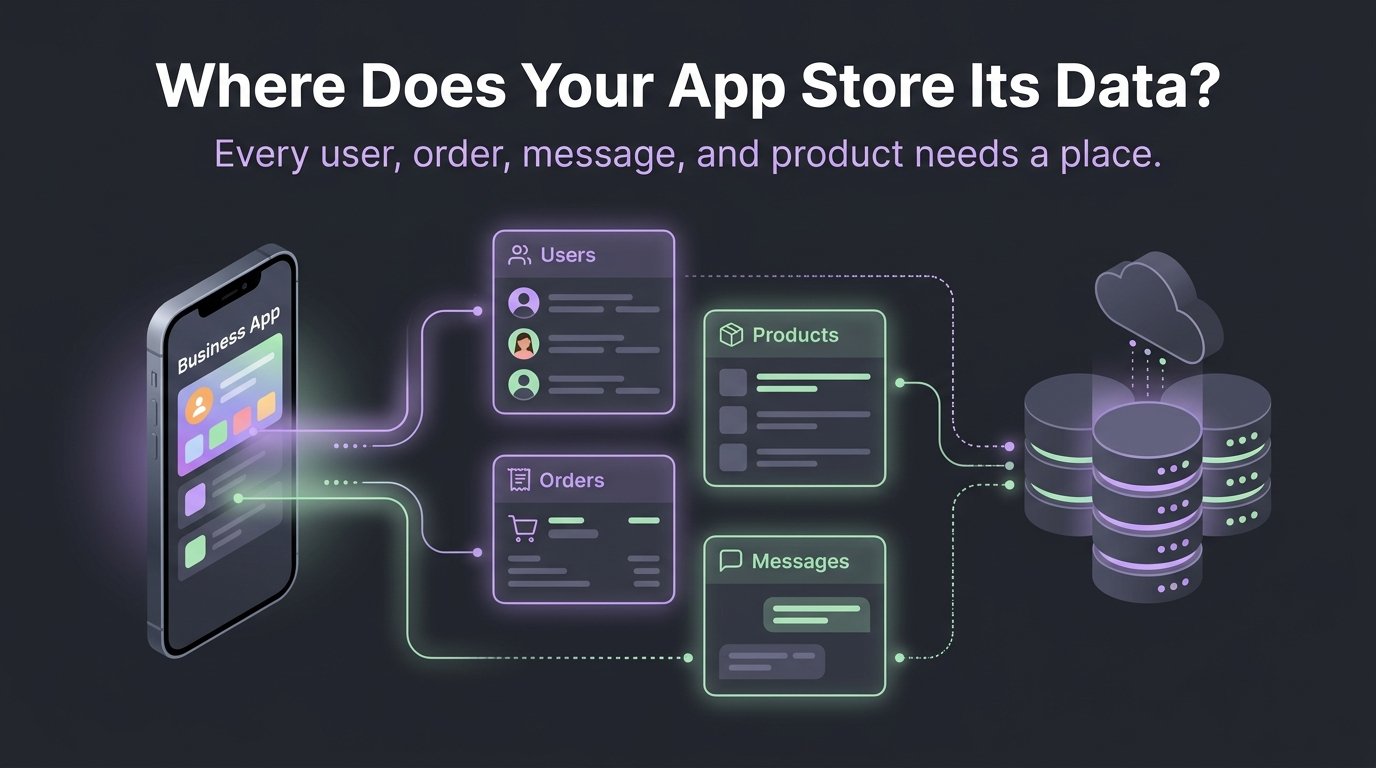
Think about an app you use every day. You log in, update your profile, browse products, place orders, or send messages. Even after closing the app and opening it again, your information is still there.
Have you ever wondered how that happens?
The answer is a database.
A database is one of the most important parts of an application. It works behind the scenes to store, organize, retrieve, and manage information. Without it, most apps would struggle to provide a consistent and useful experience.
For businesses planning to build an Android app, mobile application, or custom software, understanding databases is an important first step.
What Is a Database?
A database is an organized place where an application stores information so it can be accessed and managed whenever needed.
For example, imagine you own an online shopping business. Your application may need to store:
-
Customer names, email addresses, and account details.
-
Product names, descriptions, and prices.
-
Customer orders and their current status.
-
Payment records and transaction details.
-
Customer messages and support requests.
Instead of keeping this information in separate, unorganized places, a database stores it in a structured way.
When a customer logs in, the app can retrieve their account information. When they place an order, the application can save that order and make it available later.
Everything works together to keep the business running smoothly.
Why Does Your App Need a Database?
Displaying information and managing information are two different things.
For example, an app might display a product name and price on the screen. But what happens when the business owner changes the price?
If the application is properly connected to a database, the updated price can be saved and displayed to customers.
This is just one example of why databases matter.
Here are some important reasons.
1. Store Customer Information
Most business applications need customer accounts.
A database helps store information such as names, email addresses, profile details, and account preferences.
When customers return to the app, the application can retrieve their existing information instead of asking them to enter everything again.
This makes the experience more convenient and consistent.
2. Manage Products and Services
Imagine running an online store with hundreds of products.
You need to add new products, update prices, change descriptions, and remove unavailable items.
A database makes this management possible.
Instead of manually changing information inside the application every time, business owners can manage their products through an admin panel connected to the database.
Customers can then see the latest available information.
3. Keep Orders Organized
Order management is another important reason businesses need databases.
When a customer places an order, the application needs to save important details, including:
-
Customer information
-
Ordered products
-
Quantity and total amount
-
Order date
-
Delivery details
-
Order status
The business can then update the order status from pending to processing, shipped, or delivered.
Customers can also check their order progress directly through the application.
Without proper data management, keeping track of orders can become difficult, especially as the business grows.
4. Save Messages and Communication History
Many applications include messaging, customer support, or chat features.
A database helps store conversations and message details so users can access their communication history later.
For example, if a customer closes a chat and returns the next day, they should still be able to see their previous messages.
This creates a more reliable experience.
5. Support Business Growth
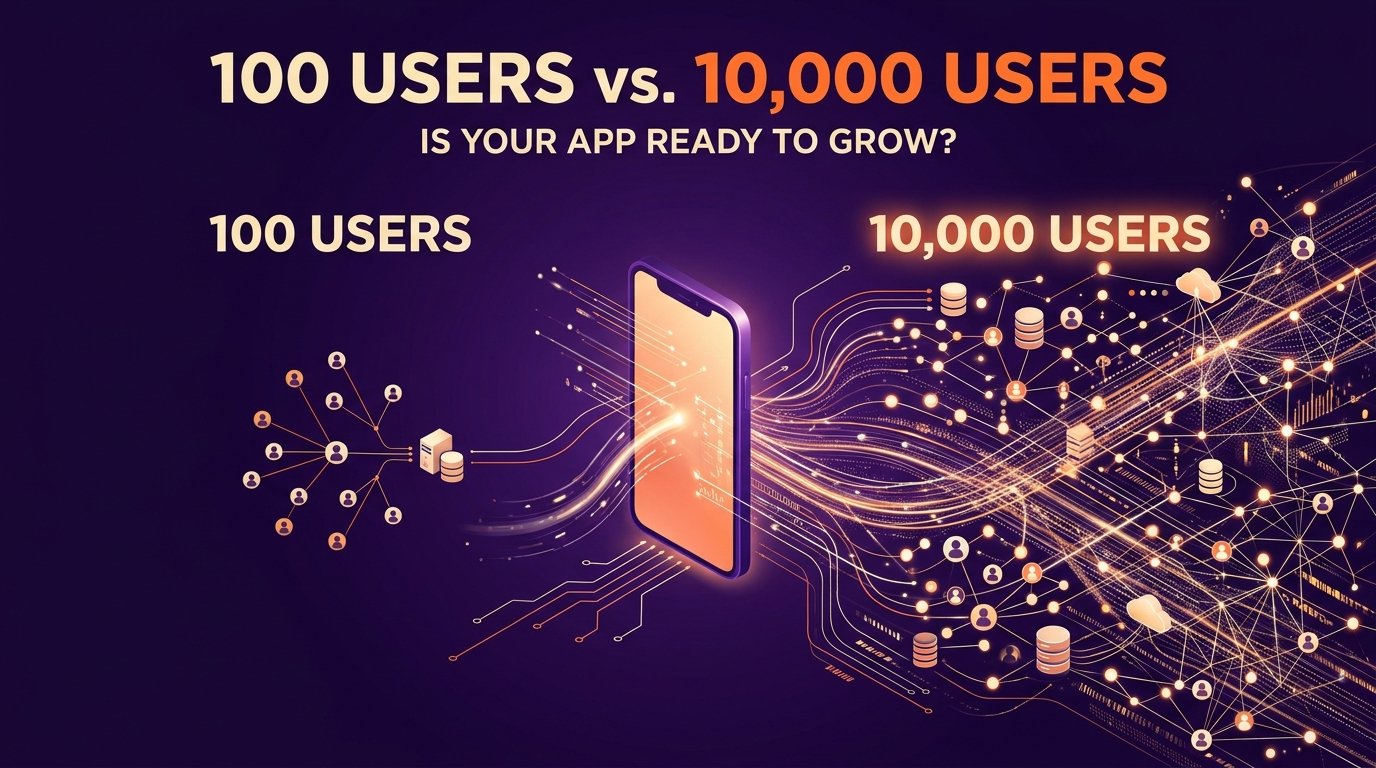
An application might start with 50 users, but what happens when it reaches 5,000 or 50,000 users?
The amount of information increases as more people join, place orders, and interact with the application.
A properly planned database helps manage this growing information.
Database structure, indexing, query optimization, and other technical decisions can make a significant difference in how efficiently an application handles data.
This is why database planning should happen during development, not after problems appear.
Database vs. Application Interface: What's the Difference?
Your application's interface is what users see and interact with.
The database is where the application's information is stored and managed.
Let's consider a simple example.
A shopping app displays a product called "Wireless Headphones" with a price of $50.
The interface displays the product name and price. The database stores the product details, including its name, price, description, availability, and other information.
When the business owner changes the price to $45, the updated information is saved in the database. The application can then display the new price.
In simple terms, the interface presents information, while the database helps manage the information behind it.
Both are essential for a properly functioning application.
Which Database Should Your App Use?
There isn't one database that works perfectly for every application.
The right choice depends on the application's features, data structure, performance requirements, and future plans.
Some commonly used database technologies include:
MySQL: A popular relational database used in business applications, management systems, and online platforms.
PostgreSQL: A powerful relational database suitable for applications that need structured data management and advanced database capabilities.
MongoDB: A document-oriented database often used when applications need flexible data structures.
Firebase Firestore: A cloud-hosted NoSQL database commonly used in mobile and web applications, particularly when real-time synchronization is useful.
Each option has its own strengths. The best choice depends on what you are building.
Why Database Security Matters
A database may contain sensitive business and customer information. Protecting that information should always be a priority.
A good development approach includes:
-
Proper access permissions.
-
Secure communication between the app and backend.
-
Authentication and authorization.
-
Regular backups.
-
Protection against unauthorized database access.
-
Careful handling of sensitive information.
Security should be considered from the beginning of development rather than added only after an issue occurs.
Final Thoughts
A database is much more than a place to save information. It is a core part of how modern applications operate.
Whether you are building an online store, booking application, social platform, CRM, or business management system, you need a reliable way to manage information.
The right database structure helps keep your application organized, improves data management, and provides a stronger foundation for future growth.
At GoTech Studio, we believe a successful application starts with the right technical foundation, including a well-planned backend and database.
Planning an app that handles business data? Let's design the right foundation.
Visit https://gotechstudio.com/ to explore our development services.